The Allure of Risk and Reward
The psychology of casino gambling heavily relies on the thrill of risk and reward. This dynamic is not merely about winning or losing money; it encapsulates a broader psychological phenomenon where individuals are drawn to the potential for a significant reward that outweighs the risks involved. Many players find that platforms like 1win enhance the excitement experienced while placing bets or spinning the slots, tapping into the brain’s reward system, releasing neurotransmitters like dopamine, which foster feelings of pleasure and satisfaction. This chemical reaction can become addictive, propelling individuals to gamble more frequently in search of that euphoric high.
The lure of risk is further intensified by the concept of loss aversion, where individuals tend to prefer avoiding losses rather than acquiring equivalent gains. Research in behavioral economics suggests that the pain of losing is psychologically more powerful than the joy of gaining the same amount. This leads many gamblers to continue playing in hopes of recouping their losses, a perspective that can spiral into a cycle of continuous gambling, even when they are at a financial disadvantage. The desire to win back lost money can overshadow rational decision-making, creating a dangerous environment for individuals.
Moreover, the environment of casinos is meticulously crafted to enhance this allure. The bright lights, engaging sounds, and the atmosphere created by fellow gamblers contribute to a sensory experience that is hard to resist. Casinos often employ psychological strategies such as compulsion loops, where players feel a constant urge to play, sometimes neglecting critical thinking about their financial limits. Altogether, the intricacies of risk and reward, coupled with psychological triggers, create a potent and sometimes dangerous cocktail that draws individuals into the world of gambling, often leading them down a path of financial and emotional turmoil.
The Role of Superstitions and Beliefs
Superstitions play a significant role in the psychology of casino gambling. Many gamblers develop personal rituals or methods they believe will influence their luck, from wearing ‘lucky’ clothing to using specific strategies when playing. These beliefs stem from the human desire to find patterns within random events, allowing individuals to create a sense of control over their fate. Psychologically, this can result in what is known as the ‘illusion of control,’ where individuals overestimate their ability to influence outcomes, thus deepening their engagement with gambling activities. For example, a player may believe that a particular seating position at a table will lead to better outcomes, reinforcing their commitment to the game.
The phenomenon of superstitions is not just limited to individual beliefs; it is perpetuated within gambling culture itself. Casinos often embrace these myths, creating an environment where gamblers feel empowered by their rituals. For example, many players believe that touching a slot machine in a special way or performing a particular sequence can increase their odds of winning. Such practices may offer psychological comfort, but they ultimately distort the gambler’s understanding of randomness and probability, further entrenching them in the cycle of gambling. This culture of superstition can amplify the emotional stakes of gambling, making the experience more intense and compelling.

Furthermore, social factors amplify these superstitions. Observing other players’ behaviors or sharing stories about gambling luck can reinforce individual beliefs and encourage others to participate. This group dynamic fosters a sense of community but can also lead to collective irrationality, where shared superstitions become ingrained. Understanding this role of belief systems sheds light on the often irrational decisions that gamblers make and highlights the powerful intersection between psychology and casino gambling. The social reinforcement of superstitions can create an echo chamber that perpetuates flawed thinking and encourages deeper involvement in gambling activities.
Addiction and its Psychological Underpinnings
The addiction associated with casino gambling is frequently likened to substance dependence, as it activates similar brain pathways linked to pleasure and reward. This similarity is largely due to dopamine’s release, triggering feelings of pleasure every time a player engages with gambling activities. Over time, as gambling becomes a primary source of pleasure, individuals may find themselves needing to gamble more frequently or wager higher amounts to achieve the same euphoric state, a phenomenon known as tolerance. This escalating behavior can lead to devastating consequences, affecting personal relationships and financial stability.
Understanding the psychological factors that contribute to gambling addiction is essential in addressing this issue. Many individuals may begin gambling as a recreational activity but gradually cross into problematic territory due to various predispositions, including genetics, mental health issues, or environmental influences. Conditions such as anxiety, depression, or a history of trauma can make individuals more susceptible to gambling addiction, as they may use gambling as an escape or coping mechanism, further complicating their psychological profile. This interplay between external pressures and internal struggles often creates a perfect storm for addiction.
The cycle of gambling addiction often results in significant personal, financial, and social repercussions, leading to a troubling paradox where the pursuit of happiness through gambling brings about distress and disappointment. As gambling-related issues escalate, the need for psychological interventions becomes apparent. Programs that focus on cognitive-behavioral therapy (CBT) can help individuals recognize their irrational beliefs and develop healthier coping strategies. By addressing the psychological elements that contribute to addiction, individuals can work towards recovery and regain control over their lives, transforming their relationship with gambling into a healthier one.
Coping Mechanisms and Social Influences
In many cases, individuals turn to gambling as a coping mechanism to manage stress, anxiety, or loneliness. This behavior can be particularly pronounced in high-pressure environments, where the desire for an escape leads to seeking thrills in gambling activities. The temporary relief that gambling provides may be appealing, but it often masks more profound emotional or psychological issues that require addressing. Gamblers often rationalize their behavior, convincing themselves that they are merely seeking entertainment rather than addressing underlying problems. This rationalization can hinder their ability to seek help or recognize their gambling as a potential issue.
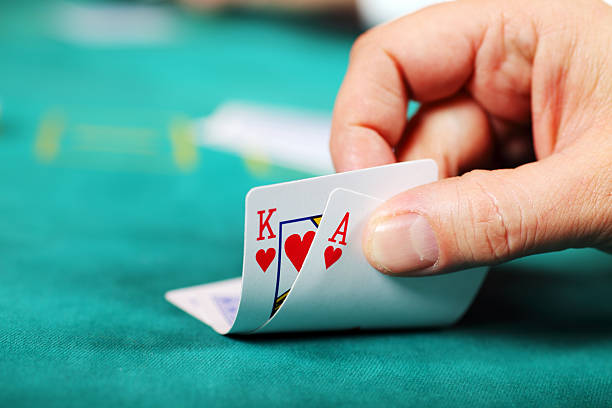
The influence of social interactions also plays a considerable role in encouraging gambling behaviors. Friends or family members who engage in gambling can unintentionally promote a culture of acceptance and participation, which may lead newcomers to feel pressured to join in. Social gatherings centered around casino trips or betting parties create an environment where gambling is normalized, further perpetuating the cycle of behavior. These social dynamics can reinforce the idea that gambling is a socially acceptable form of entertainment, obscuring the potential risks associated with it. Understanding these influences is crucial for individuals looking to break free from unhealthy gambling patterns.
Additionally, individuals may be unaware of the psychological mechanisms at play when they gamble. The euphoria experienced during wins or the emotional highs of risk-taking can create a psychological feedback loop that strengthens their desire to play. Recognizing these influences can empower gamblers to make more informed decisions about their behavior. Engaging in discussions about gambling with peers or seeking guidance from professionals can provide crucial insights into the reasons behind their gambling activities and help them develop alternative coping strategies. This awareness can foster healthier relationships with gambling and encourage individuals to seek healthier outlets for their emotions.
Understanding Safe Gambling Practices
Promoting safe gambling practices is essential for reducing the psychological risks associated with casino gambling. Public awareness campaigns can help educate individuals about the potential dangers of excessive gambling while emphasizing the importance of setting limits. Establishing boundaries regarding time and money dedicated to gambling can promote a healthier relationship with this form of entertainment. By understanding their motivations for gambling and recognizing the signs of problematic behavior, individuals can take proactive steps to prevent addiction. These preventive measures can help individuals enjoy gambling responsibly without falling into detrimental patterns.
Another critical aspect of safe gambling involves self-awareness and education. Gamblers should familiarize themselves with the odds and probabilities of various games to develop realistic expectations. Understanding that games of chance are unpredictable can help temper the emotional highs and lows often associated with gambling. Players who are informed about the random nature of these activities are less likely to fall victim to the psychological traps that can lead to compulsive gambling. This knowledge empowers individuals to make informed choices, allowing them to engage with gambling in a more controlled manner.
Encouraging conversations about gambling within families and communities can further enhance awareness and promote responsible behavior. By tackling the stigma surrounding gambling issues, individuals are more likely to seek help and support when they find themselves struggling. Creating environments that foster open discussions about gambling can help shift the narrative from one of shame to one of understanding and recovery, paving the way for healthier perspectives on this pastime. Ultimately, fostering a culture of openness and support can create safer gambling environments that prioritize well-being.